
Insights
Packaging & nearshoring, from the plant floor
Practical guides on protective packaging, marketplace compliance and manufacturing in Mexico — written by the team that runs the lines.
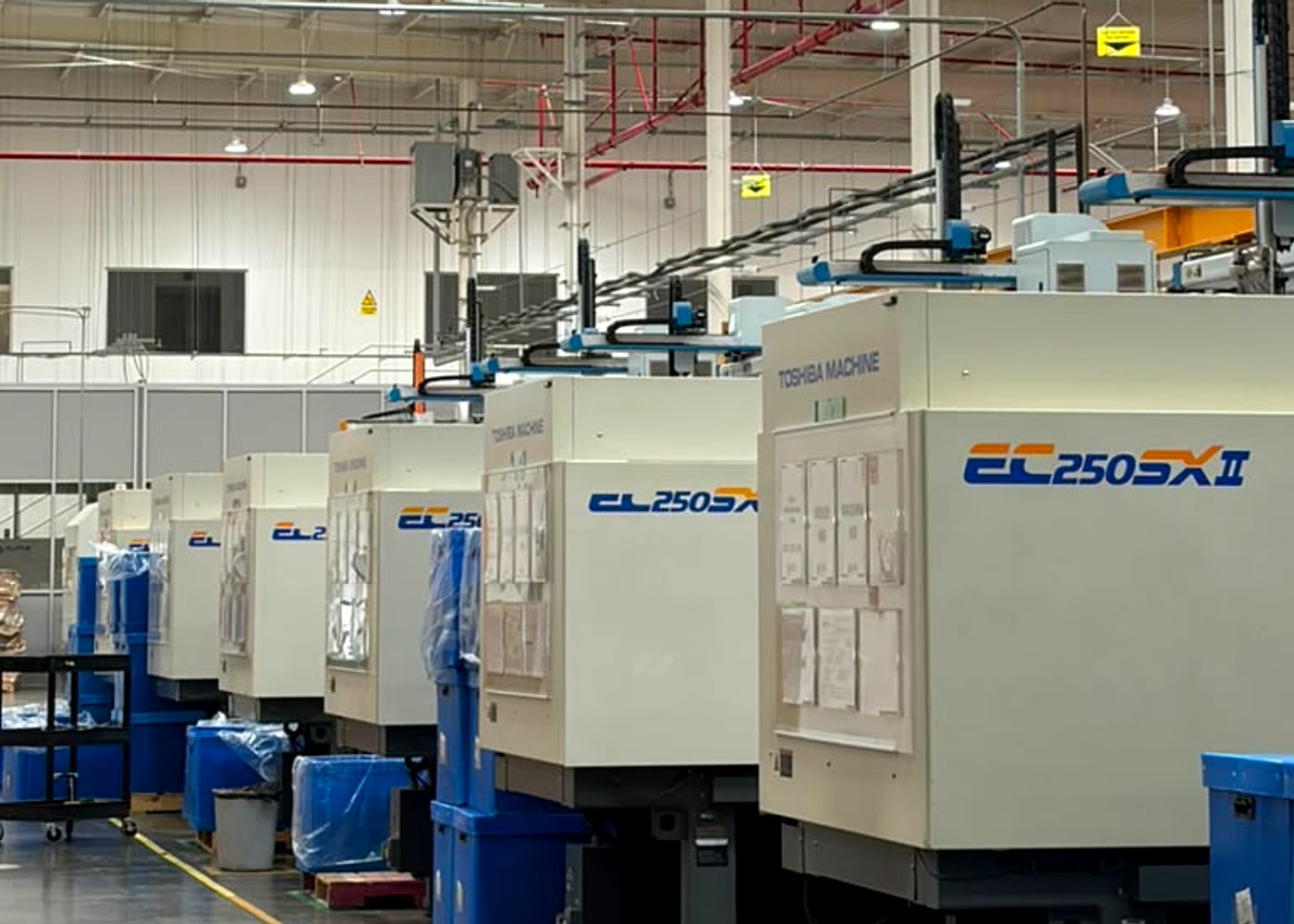
Moving production from Canada to Mexico: what the 2026 tariffs changed
If your goods cross the U.S.–Canada border, the 2026 tariff round may be taxing them in both directions. Here's how manufacturers are relocating to Mexico under a shelter — and the two questions that decide whether the move actually works.
- Nearshoring
- IMMEX
- Shelter
- Tariffs
- Canada
Shelter, subsidiary or contract manufacturing: which model fits Mexico
Three ways to manufacture in Mexico, and what each actually costs you in speed, control and liability. A decision framework rather than a pitch — including when a shelter is the wrong answer.
- Shelter
- IMMEX
- Nearshoring
Contract manufacturing in Tijuana: what a program needs to start
What contract manufacturing in Tijuana actually involves, what a supplier needs from you before quoting, and the order a program goes in — from first drawings through pilot run to production.
- Contract manufacturing
- Tijuana
- Nearshoring
IMMEX permit explained: what it covers, who needs one, and how to use someone else's
IMMEX lets a registered company import materials, components and tooling into Mexico without paying duty, provided the resulting goods are exported. What that means in practice — and why most foreign manufacturers use a host's permit rather than obtaining their own.
- IMMEX
- Nearshoring
- Customs
Moving injection molding from China to Mexico: what transfers, what doesn't
Most of the cost of moving a molding program is tooling — and most existing tooling can move. What a mold compatibility study checks, what usually needs modifying, and the order the work goes in.
- Injection molding
- Nearshoring
- Tooling
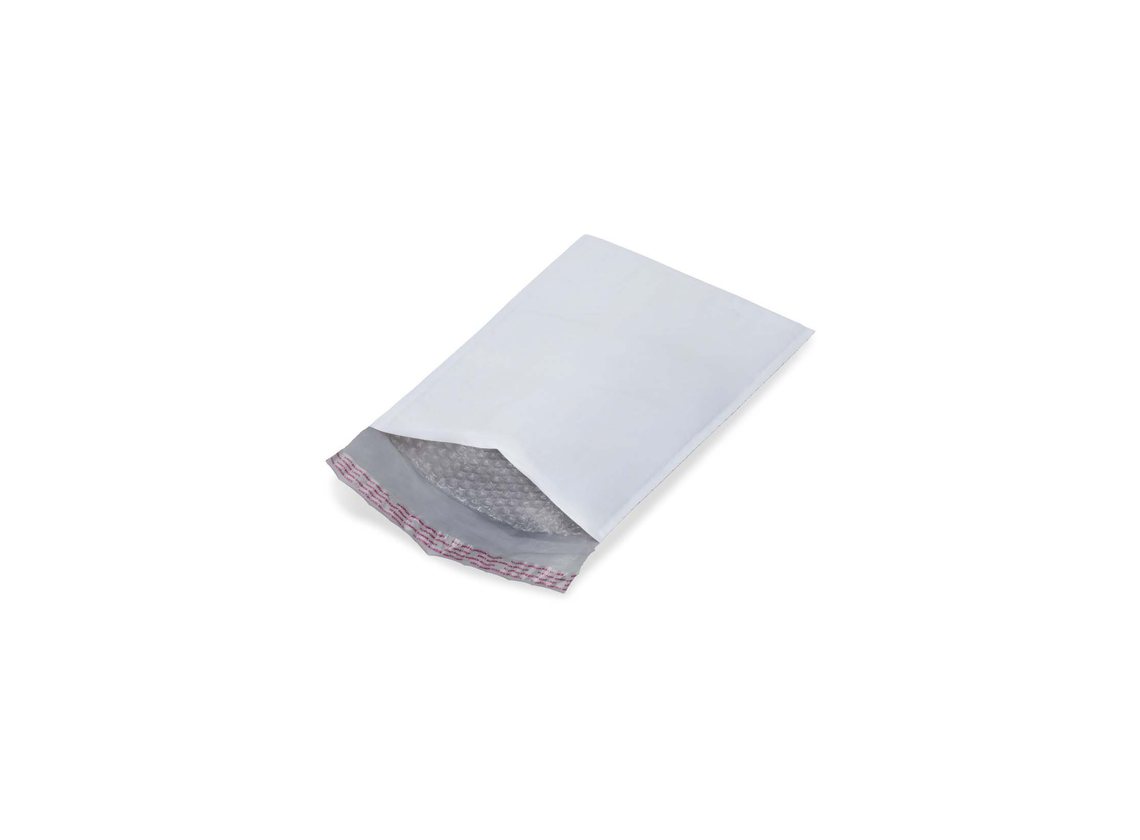
Amazon FBA packaging prep: the checklist that keeps inventory out of problem status
FBA rejects or re-preps inventory over predictable packaging misses: bag warnings, loose parts, fragile prep, sold-as-set marking. Here's the packaging-side checklist to clear inbound the first time.
- Compliance
- Marketplaces
- E-commerce
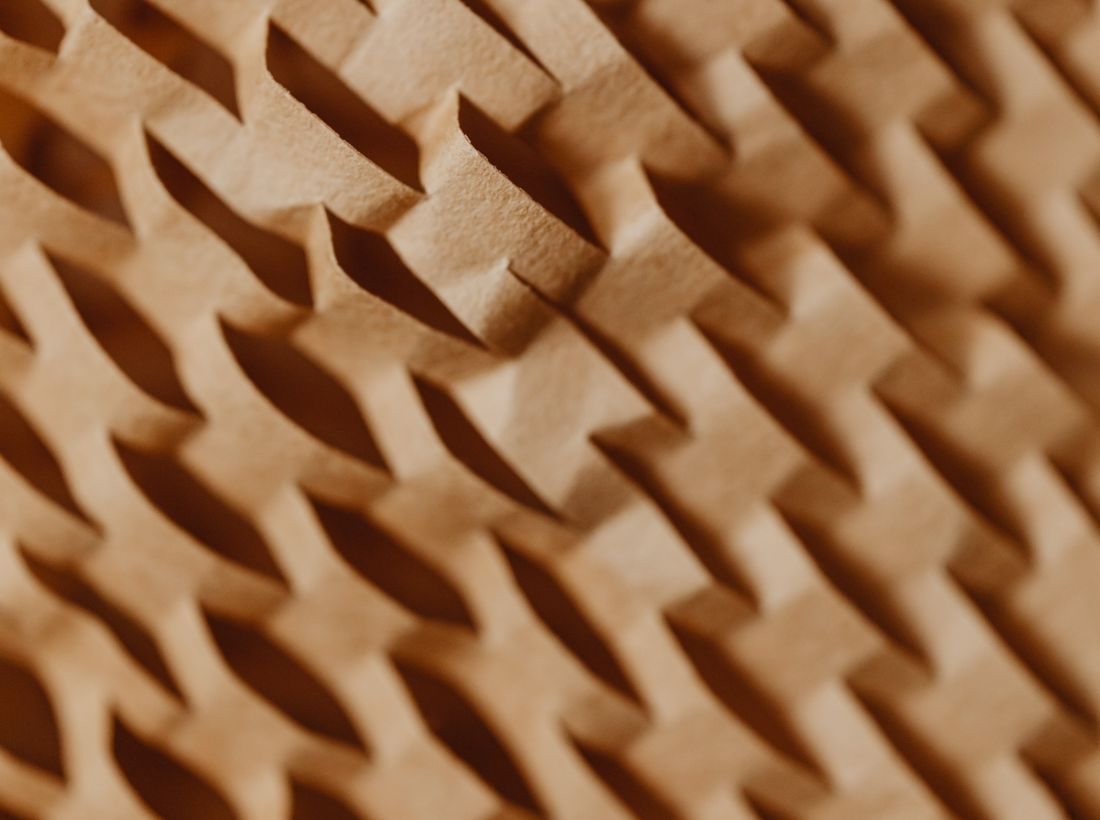
Honeycomb paper packaging: the wood-pallet alternative that skips ISPM-15
Kraft honeycomb carries heavy loads at a fraction of wood's weight, recycles in the cardboard stream, and — because it's processed paper — is exempt from ISPM-15 wood treatment rules for export.
- Packaging
- Sustainability
- Export
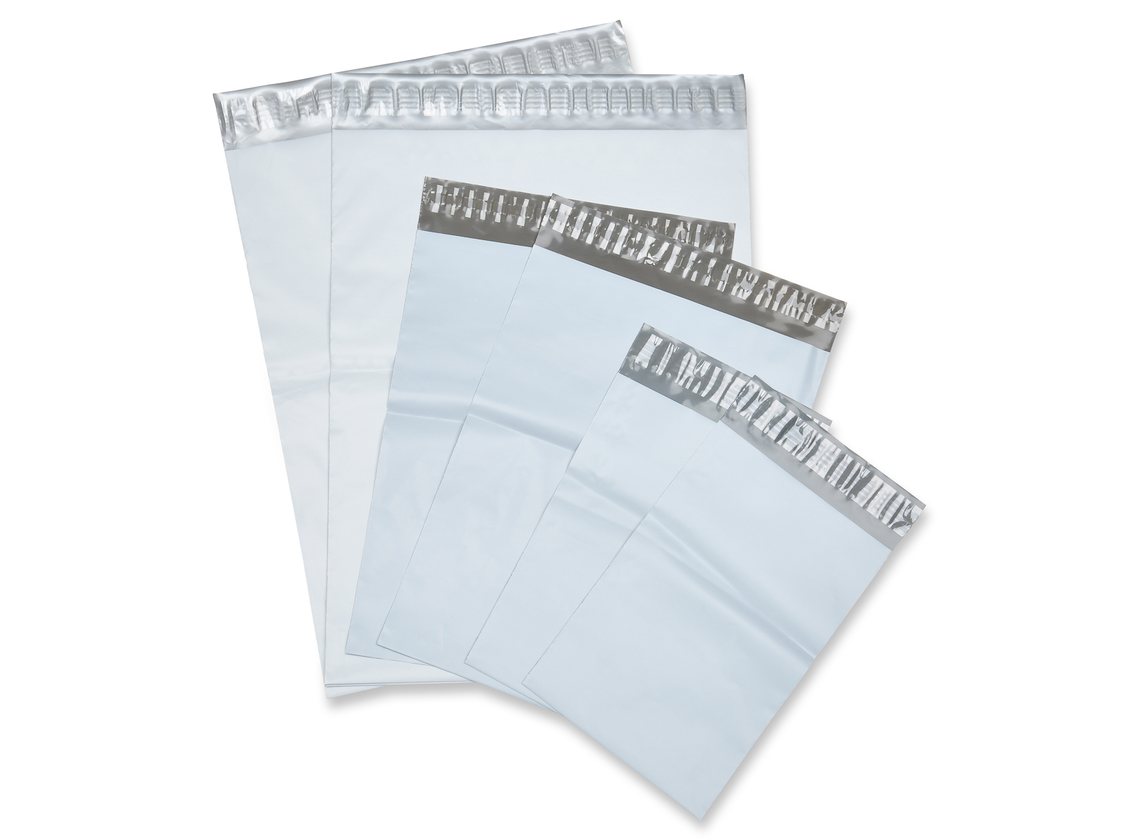
Dimensional weight, explained: how right-sized packaging cuts your parcel bill
Carriers bill the greater of actual weight and dimensional weight — length × width × height ÷ divisor. Every inch of box you don't need is freight you pay anyway. Here's how to right-size.
- Packaging
- E-commerce
- Shipping costs
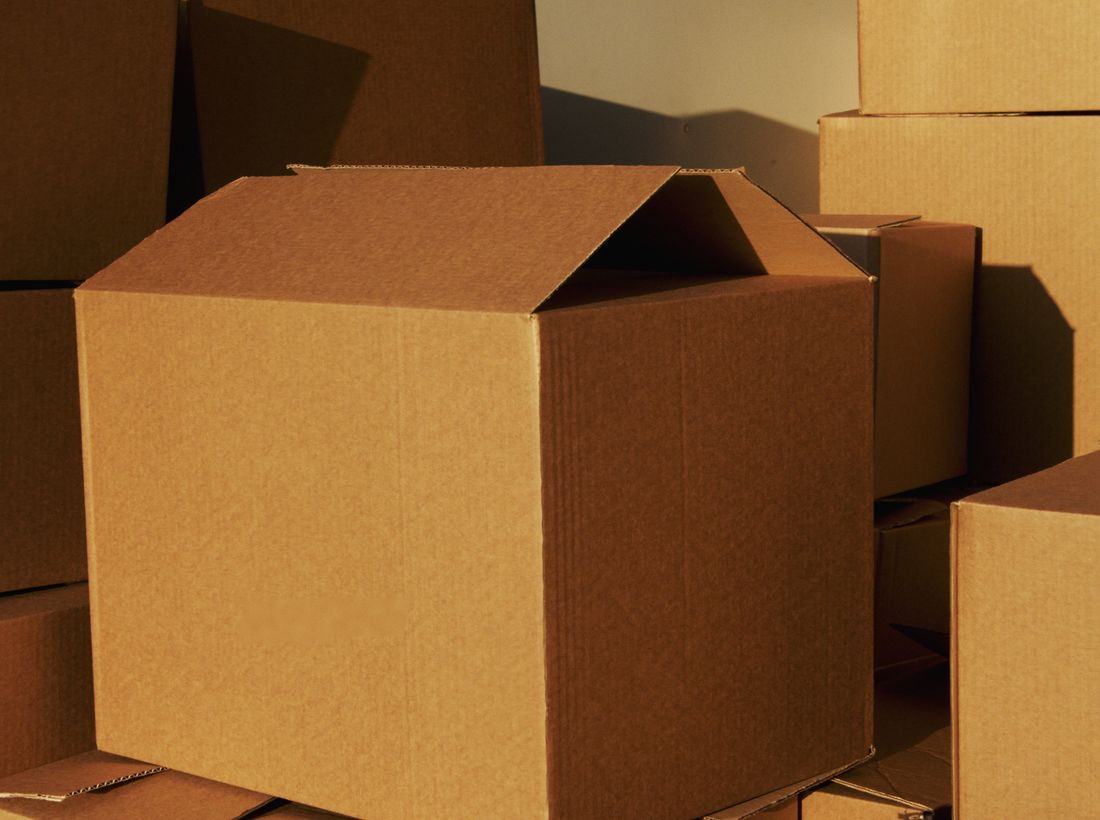
Nearshore vs. offshore packaging sourcing: the landed-cost math that actually decides it
Unit price is where offshore looks cheapest and landed cost is where it stops. The six lines to compare — freight, duty, inventory, lead time, oversight and flexibility — before you pick a packaging supplier.
- Nearshoring
- Sourcing
- Landed cost
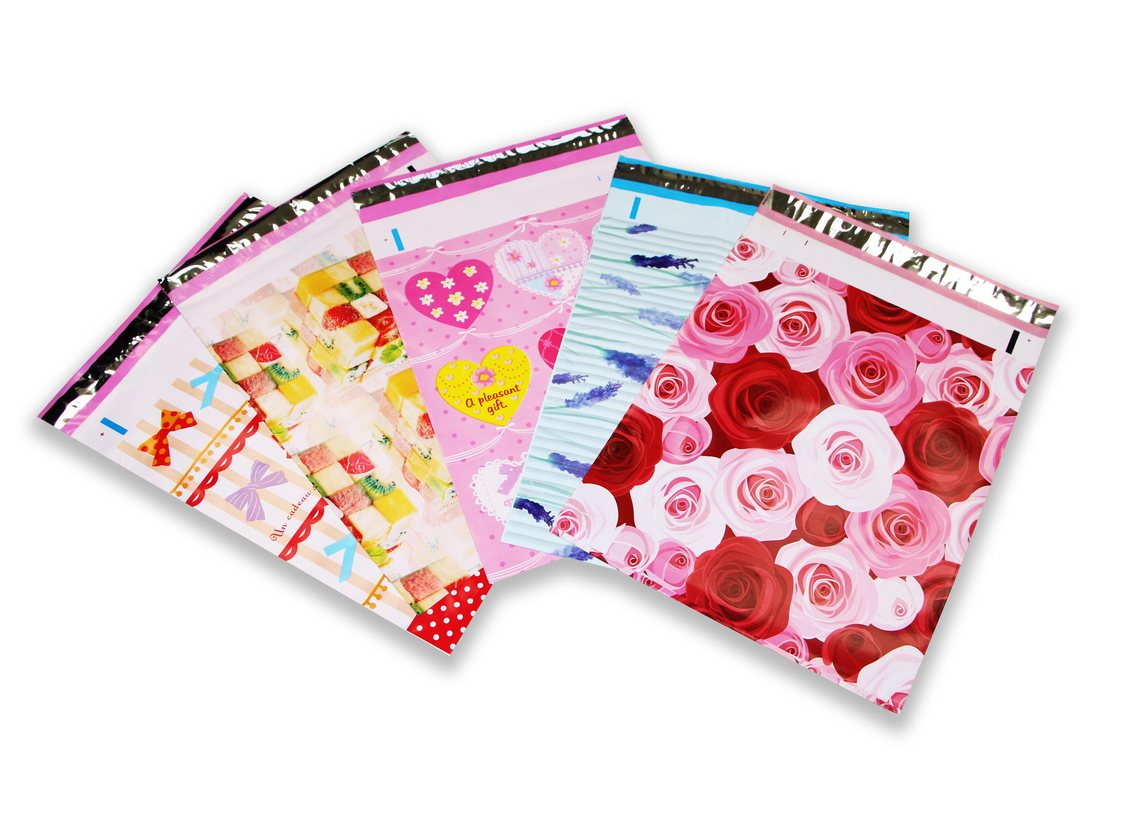
Poly bag suffocation warnings: what Amazon and Walmart actually require
Marketplaces require a printed suffocation warning on poly bags with an opening of 5 inches or more. Here's the standard wording, size rules by bag dimension, and how to stay off the violation list.
- Compliance
- Marketplaces
- Poly bags
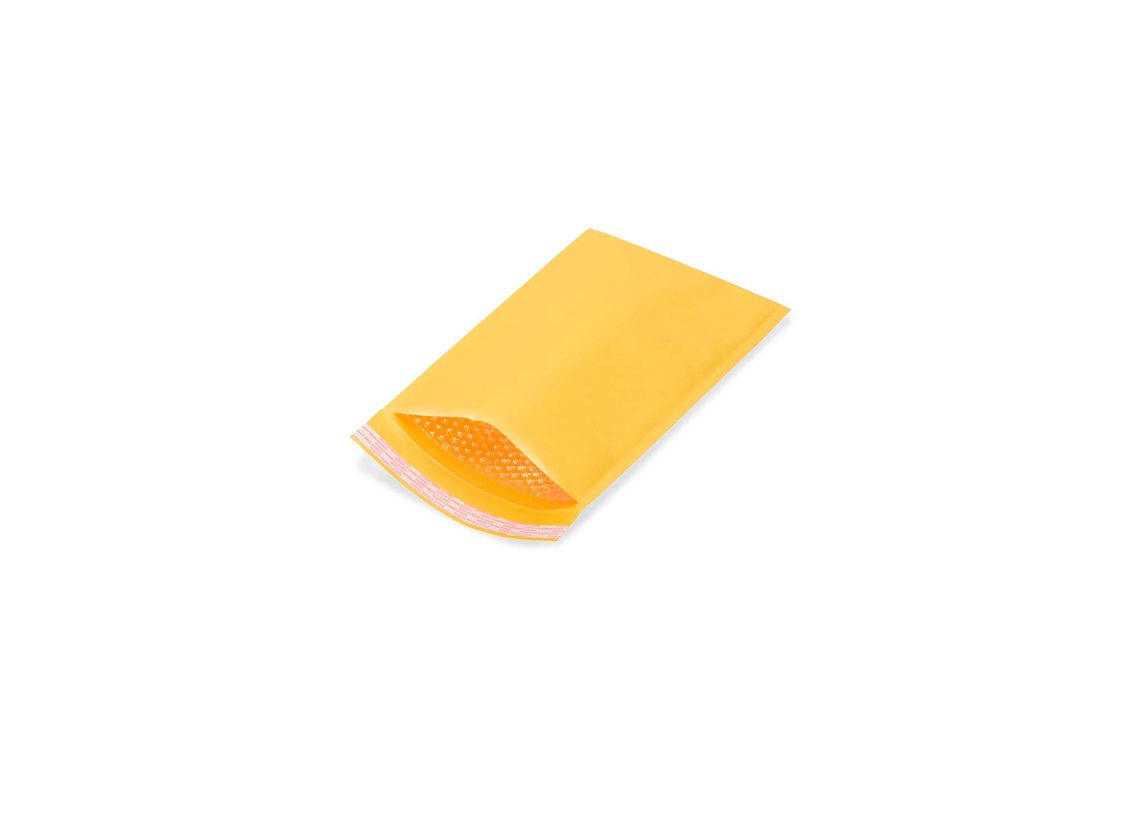
Bubble mailer sizes explained: the #000–#7 chart and how to choose
Bubble mailer sizes run from #000 (4 × 7 in) to #7 (14.25 × 19 in). Here's the full size chart, what fits in each, and how to pick the right size without paying for air.
- Packaging
- Bubble mailers
- E-commerce
What is a shelter (albergue) manufacturer in Mexico? IMMEX explained
A shelter manufacturer lets a foreign company produce in Mexico under the host's IMMEX permit — no Mexican entity required. Here's how the model works, what the shelter provides, and what you keep control of.
- Nearshoring
- IMMEX
- Shelter